

What’s the Priority for American Farmers in September?
 September is one of the busiest—and most rewarding—months on the American farm. The long days of summer give way to cooler mornings, and fields across the country shift from lush green to golden shades of maturity. For many growers, September is equal parts harvest season and next-season preparation.
Harvest Season in Full Swing
-
Corn and Soybeans: In the Midwest, combines begin rolling as early soybeans reach maturity. Moisture levels are checked daily, and farmers aim to harvest before fall rains risk shattering pods or delaying corn dry-down.
-
Wheat and Barley (Fall-Planted): After the combines finish small grains in late summer, attention turns to preparing ground for fall planting.
-
Specialty Crops: Lettuce, tomatoes, and potatoes see peak harvest windows in states like California, Idaho, Michigan, and Florida. Timing is crucial—harvesting at the right stage maximizes both yield and market value.
Field Prep for the Next Year
Even as harvest continues, preparation for the next growing season is already underway:
-
Residue Management: Chopping and incorporating crop residue back into the soil helps return organic matter while preparing fields for tillage or no-till drilling.
-
Cover Crops: Many farmers sow rye, clover, or radishes after harvest to protect against erosion, improve soil structure, and scavenge leftover nutrients.
-
Soil Testing: September is prime time to pull soil samples, allowing agronomists to review nutrient balances and pH before fertilizers or amendments are applied.
-
Fall Fertility Applications: Farmers in northern states often apply phosphorus and potassium in the fall, ensuring availability come spring.
-
Tillage and Bed Preparation: Depending on the region and crop, fields may be worked in September to build beds for vegetables, improve seed-to-soil contact, or manage compaction.
Looking Ahead: Setting the Stage for Healthy Soils
While the focus is on pulling this year’s crop from the field, September decisions often determine next year’s yields. Soil health, nutrient availability, and root zone conditions are critical to success in 2026.
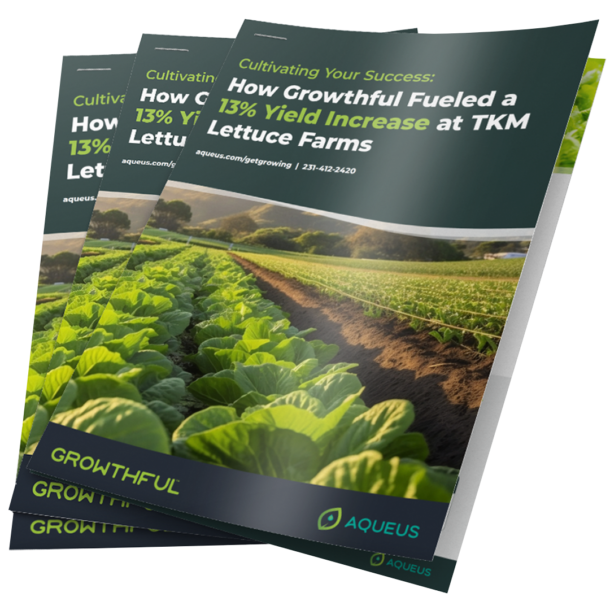
That’s where Growthful™ by Aqueus fits in. Unlike traditional strong acids like sulfuric, Growthful’s hydrogen-based chemistry helps unlock nutrients bound in the soil—making phosphorus, calcium, and potassium more available for the crop ahead. Field trials across soybeans, potatoes, lettuce, tomatoes, and sugar beets have shown yield boosts ranging from 13% to 25%, with stronger ROI across the board.
As farmers look beyond this harvest, Growthful™ offers a way to prepare fields for next year’s success while supporting long-term soil health.
Learn more at aqueus.com.
Spread The News